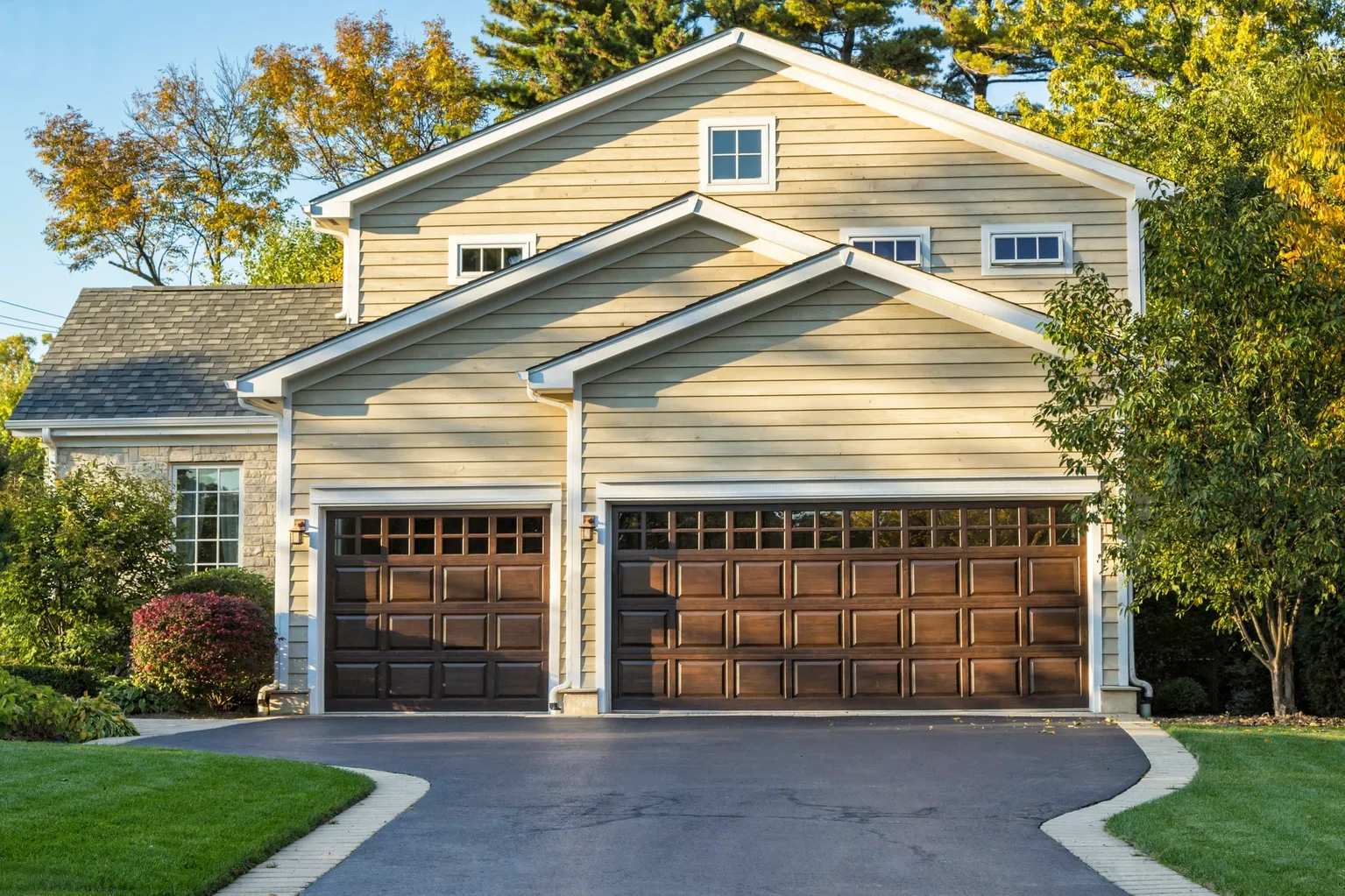



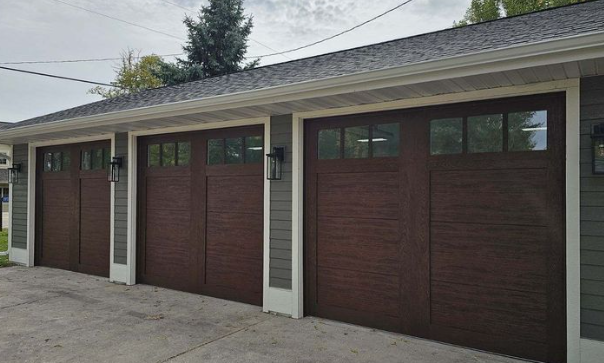
Roll-up garage doors are built for durability, space efficiency, and minimal upkeep. At the same time, they come with real trade-offs. Common roll up garage door problems include weaker insulation, limited design options, and a higher upfront cost. Whether they make sense for you depends on how your garage is used and what matters more to you, function or appearance.
Quick Summary
Pros
- Space-saving design
- Lower maintenance requirements
- Strong and secure construction
- Handles frequent use well
- Faster installation
Cons
- Weak insulation in standard models
- Limited visual appeal
- Higher upfront cost
- Can be noisy
- Fewer customization options
What Is a Roll Up Garage Door?
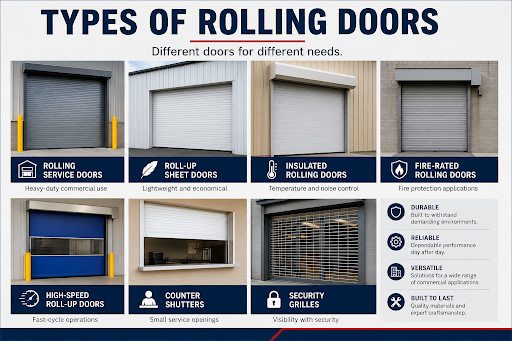
A roll-up garage door works by coiling into a drum mounted above the opening. Instead of moving along tracks across the ceiling like sectional doors, it rolls up into itself. Most are made from steel or aluminum slats, designed to handle repeated use without wearing down quickly.
You’ll usually see three types:
- Light-duty for sheds or storage units
- Medium-duty for residential garages
- Heavy-duty for commercial or industrial spaces
Compared to what is a tilt up garage door, which swings outward when opening, roll-up doors stay within the frame. That makes them a practical choice when space is tight.
If you’re comparing different roll up doors garage doors, this type stands out for its function and durability.
Pros of Roll Up Garage Doors
Space-Saving Design
This is the biggest advantage. The door coils above the opening, so you don’t need extra clearance inside or outside the garage. It works well in smaller garages or places where a traditional door would feel restrictive.
Low Maintenance
There are fewer exposed parts compared to sectional doors. That means fewer things that can go wrong. For homeowners, that translates into fewer repairs over time. For businesses, it means less downtime.
Durability and Security
Most roll-up doors are made from steel, and they’re built to take a beating. Weather, daily use, and general wear don’t affect them as quickly as lighter door types. They’re also harder to force open, which adds an extra layer of security.
Good for Commercial Use
If a door is going up and down multiple times a day, this is the type that holds up best. That’s why they’re common in warehouses, service garages, and storage facilities.
Easy Installation
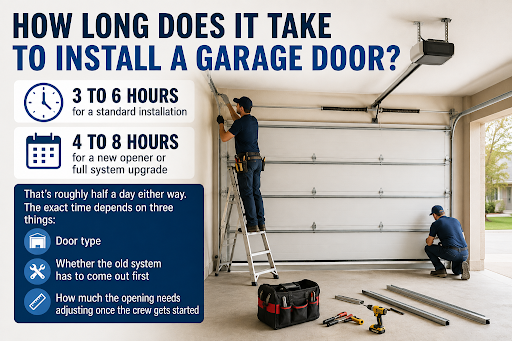
Compared to multi-panel systems, installation is more straightforward. It usually takes less time and involves fewer moving parts.
Cons and Common Roll Up Garage Door Problems
Poor Insulation
Standard roll-up doors aren’t great at keeping heat in or out. In colder climates, this becomes noticeable quickly. Insulated versions are available, but they cost more.
Industrial Look
They’re practical, but not always attractive. If curb appeal matters, especially for residential homes, roll-up doors can feel out of place.
Higher Upfront Cost
Even though they last longer, the initial cost can be higher than basic sectional doors. That’s something to factor in if you’re working within a budget.
Noise
Metal slats moving along tracks can create noise, especially if the door isn’t insulated or hasn’t been maintained properly.
Limited Customization
You won’t get as many design choices compared to other door types. Colors, finishes, and styles are more limited.
These are the most common garage door roll up door problems people run into when choosing this type of door.
Are Roll Up Garage Doors Really Worth It?
They are, but only in the right situations.
If you need something durable, compact, and built for frequent use, roll-up doors make a lot of sense. They’re especially practical for commercial spaces or garages with limited room.
They’re less suitable if insulation, design, or upfront cost is your main concern. In those cases, a sectional door often makes more sense.
If you’re weighing your options, it helps to look at how the garage is actually used day to day. That usually makes the decision clearer.
Common Roll Up Door Problems and How to Fix Them
Door Won’t Open or Close Fully
Cause: Misaligned guides, worn springs, or something blocking the coil
Fix: Check for debris, make sure the tracks are aligned, and inspect the springs. If it’s not obvious, it’s better to have a professional handle it.
Door Is Noisy or Grinding
Cause: Lack of lubrication, worn components, or dirt in the tracks
Fix: Clean the tracks and apply proper lubricant. If the noise continues, parts may need replacing.
Door Moves Unevenly or Tilts
Cause: Uneven spring tension or cable wear
Fix: This is not something to handle yourself. Spring adjustments can be dangerous and should be done by a technician.
Auto Roll Garage Door Problems
Cause: Sensor misalignment, remote issues, or motor strain
Fix: Start with the basics. Check the sensors, reset the opener, and make sure the motor isn’t overworked. Most auto roll garage door problems are tied to the opener system rather than the door itself.
Commercial Roll Up Door Troubleshooting
Cause: Heavy daily use leading to worn components
Fix: Regular maintenance is key. In high-use environments, commercial roll up door troubleshooting is usually about preventing issues before they cause downtime.
Roll Up vs Sectional Garage Doors — Which Is Better?
It depends on what you need.
Choose roll-up doors if:
- Space is limited
- The door will be used frequently
- You want something durable with minimal maintenance
Choose sectional doors if:
- Insulation matters
- You want more design options
- You’re trying to keep initial costs lower
Most homeowners end up deciding based on space and appearance, while businesses lean toward durability and usage.
What to Look for When Buying a Roll Up Garage Door
Focus on what actually affects performance:
- Material quality matters more than appearance
- Insulation is important in colder regions
- Cycle rating matters if the door will be used often
- Opener compatibility should be checked in advance
You’ll find roll-up doors in big retail stores, but installation quality can vary. Working with a company that handles both supply and installation usually leads to better results.
What’s the New Trend in Garage Doors?
Garage doors are becoming quieter, more efficient, and easier to control.
- Smart openers with mobile access
- Better insulation for energy savings
- Cleaner, modern designs
- Quieter operation systems
Even roll-up doors are starting to include some of these improvements.
Frequently Asked Questions
What is the lifespan of a roll up garage door?
Most last around 15 to 20 years, depending on how often they’re used and how well they’re maintained.
Can a roll up garage door be insulated?
Yes, insulated options are available and are a better choice for residential use in colder climates.
How much does a roll up garage door cost installed?
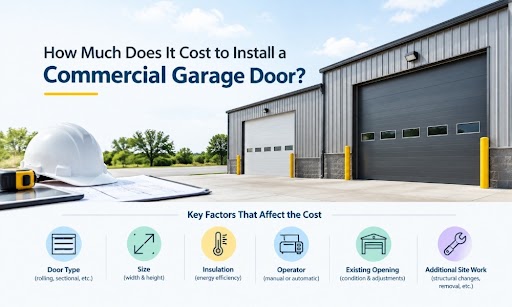
Most installations fall between $1,200 and $4,000 depending on the setup.
Do roll up garage doors work with standard garage door openers?
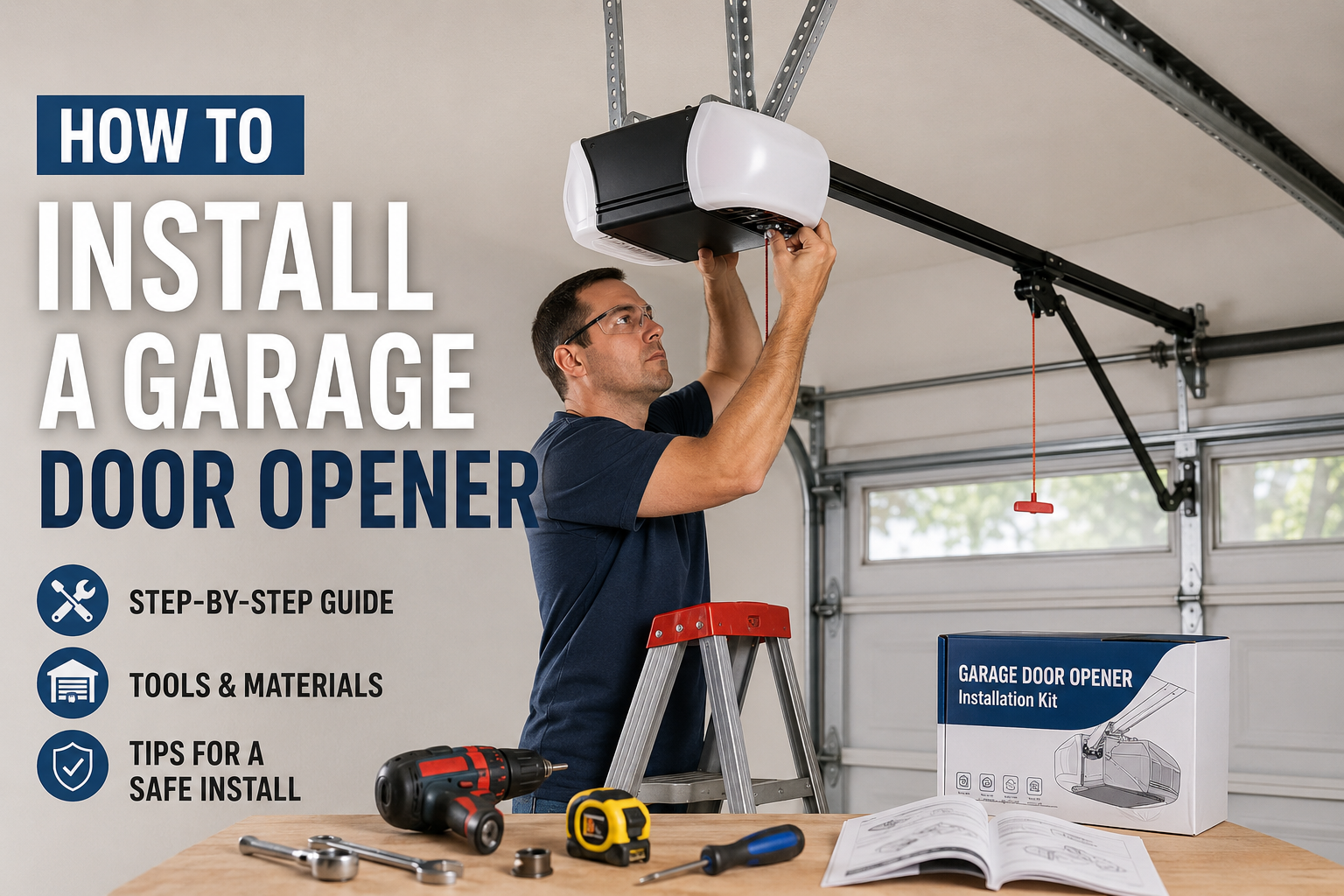
Some do, but it depends on the system. Not all roll-up doors are compatible with standard openers.
What is the difference between a roll up door and a sectional garage door?
Roll-up doors coil into a drum above the opening, while sectional doors move along tracks and sit under the ceiling when open.
Final Takeaway
Roll-up garage doors do exactly what they’re built for. They save space, hold up under heavy use, and don’t need much maintenance. But they’re not the best fit for every home, especially if insulation or design is a priority.
If you’re dealing with ongoing roll up door problems or trying to choose the right type of door, it helps to speak with someone who works with these systems every day.
North Country Overhead Door provides installation and support based on what actually works in real conditions. If you’re planning a new install or replacing an existing door, getting the right setup from the start makes a big difference.