


A loading dock is more than a point of entry. It affects safety, efficiency, and daily operations across the entire facility.
North Country Overhead Door provides a range of industrial dock equipment for warehouses, distribution centers, commercial facilities, and storeroom operations. From levelers and restraints to seals, shelters, and accessories, we help businesses equip their docks for safe and reliable operation.
Talk with our team about your loading dock requirements.
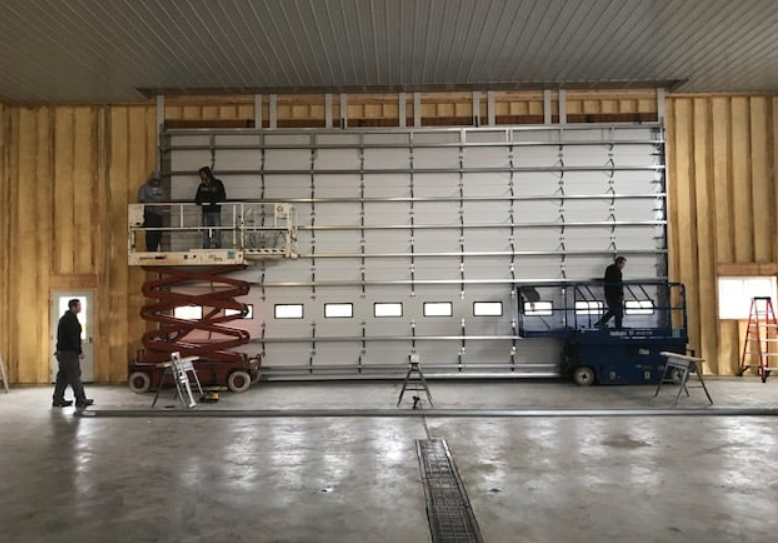
Pit levelers bridge the gap between the dock floor and the trailer bed, helping forklifts and pallet jacks move safely between them.
This type of loading dock equipment is commonly used in facilities with frequent loading and unloading activity.
Hydraulic levelers use powered operation to raise and lower the deck.
They are often selected for:
Hydraulic systems reduce manual effort and provide consistent operation throughout the day.
Mechanical levelers operate using a spring-assisted system.
They are commonly used in:
Mechanical levelers have fewer powered components while still providing reliable dock access.
Edge of dock levelers offer a compact alternative to full pit levelers.
They mount directly to the dock face and create a bridge between the dock and trailer.
Installation methods may include:
Many businesses choose edge of dock levelers as part of a broader dock and door equipment solution when a full pit leveler is not required.
Trailer movement during loading and unloading can create serious safety concerns.
Trailer restraints help secure trailers at the dock and reduce movement while forklifts and equipment enter and exit.
Common applications include:
Some restraint systems use a hook-style design that engages the trailer’s rear impact guard.
Trailer restraints can also work well in smaller facilities and storeroom loading dock equipment applications where space is limited.
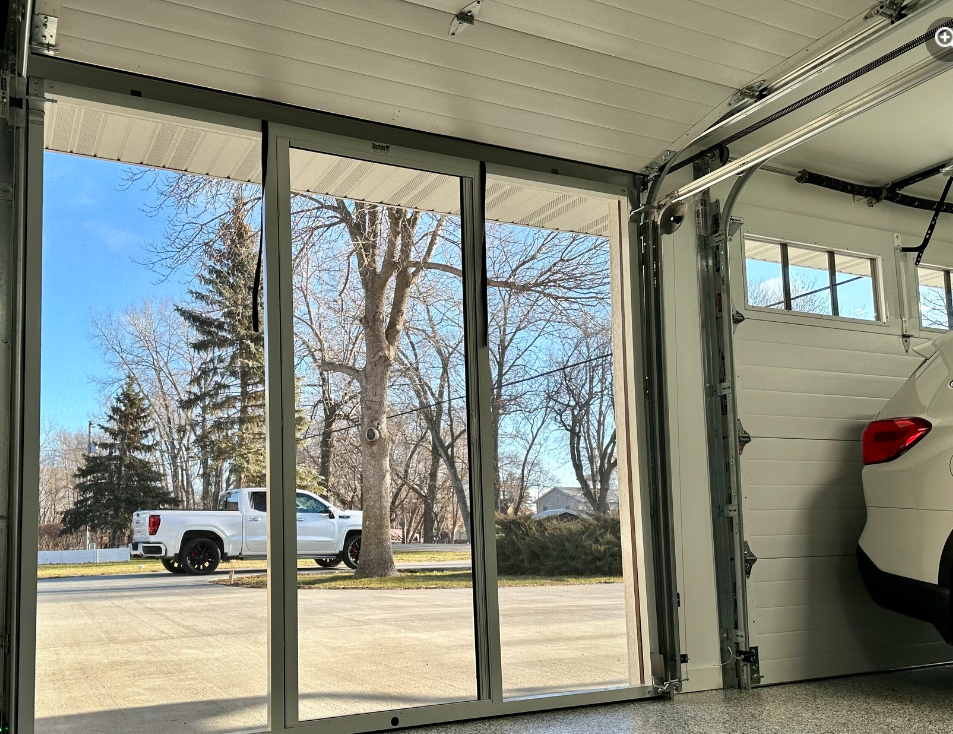
Dock seals and shelters help protect dock openings from weather, debris, and temperature loss.
Both solutions improve dock performance, but they serve different purposes.
Dock seals create compression around the trailer opening.
Benefits include:
They are commonly used in facilities that require a tighter seal around trailers.
Dock shelters allow a wider range of trailer sizes while still providing protection around the opening.
Benefits include:
For many facilities, seals and shelters are an important part of overall dock equipment planning.
Provide visibility inside trailers during loading and unloading.
Improve airflow in loading areas.
Help protect buildings and trailers from impact damage.
Protect guide tracks from forklift contact.
Help reduce trailer movement during loading operations.
Provide additional trailer support when detached from a tractor.
A pit leveler may be a better fit if:
An edge of dock leveler may be a better fit if:
Both are widely used forms of industrial dock equipment.
When evaluating equipment, consider:
The right dock and door equipment setup depends on operational requirements, not just budget.
Help Me Choose the Right Equipment
Contact North Country Overhead Door to discuss the best options for your facility.
Loading dock systems require proper installation and ongoing attention to support long-term performance.
Dock equipment must be matched to the facility layout, trailer types, and daily operating requirements.
North Country Overhead Door provides installation support for a range of loading dock equipment solutions.
Regular inspections can help identify wear before it affects dock operations.
Maintenance may include:
Addressing small issues early can help reduce unexpected downtime.
Contact North Country Overhead Door to discuss equipment inspections and service options.
Loading docks involve moving equipment, trailers, and personnel working in the same area.
Safety should be considered during equipment selection and operation.
Industry guidance and safety standards address areas such as:
Properly selected industrial dock equipment helps support safe loading and unloading activities.
Industry guidance and safety standards address areas such as:
Properly selected industrial dock equipment helps support safe loading and unloading activities.
Our team can help you evaluate loading dock equipment options for your facility.
Our team can help you evaluate loading dock equipment options for your facility.
North Country Overhead Door provides loading dock and commercial door solutions for businesses throughout Minnesota.
We work with:
Customers also rely on us for ongoing commercial roll up door service and commercial door support.
Our goal is to help businesses choose practical equipment solutions that fit their facility and daily operations.
Loading dock equipment solutions for warehouses, commercial facilities, and industrial operations across Minnesota.
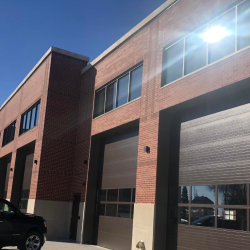
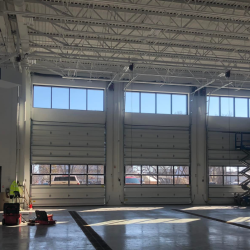
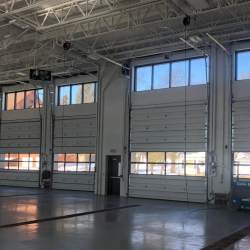
An edge of dock leveler helps bridge the gap between a loading dock and a trailer. It is commonly used in lower-volume facilities and retrofit applications where a full pit leveler is not required.