


Commercial garage door installation costs vary widely because the door is only one part of the job; size, door type, insulation, the operator, and the condition of the existing opening all factor into the final price.
A simple rolling door on a lightly used storage building will cost far less than a high-cycle sectional door with an insulated panel and a commercial-grade operator for a busy warehouse.
For example, a lightly used storage building might only need a simple, no-frills setup. But a busy warehouse where the door is opening and closing all day? That usually calls for a heavier-duty, high-cycle system built to handle constant use.
And don’t forget the site itself; structural adjustments, tight clearances, or the removal of an old door can all add to the job. So instead of trying to pin down a single exact number, it’s better to think about what the door needs to handle each day.
Also Read:
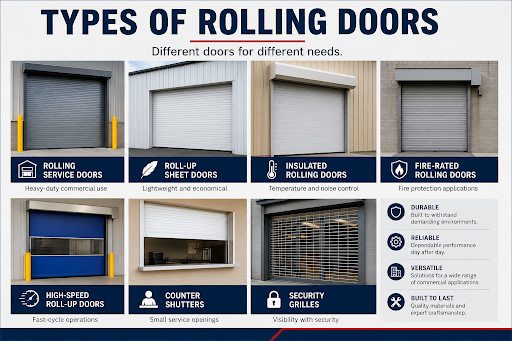
What Are the Different Types of Rolling Doors?
What Goes Into the Cost of a Commercial Garage Door?
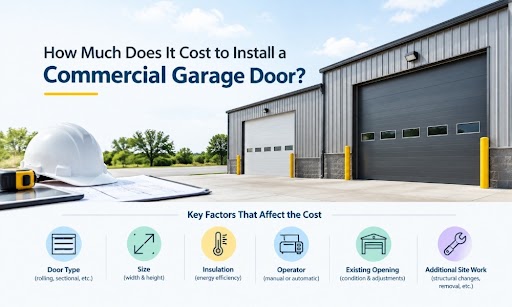
The commercial garage door cost is shaped by the whole setup, not just the door itself. Here are the main factors that can move the price:
- Door type: Rolling, sectional, high-speed, or other commercial systems all work a bit differently and come with their own construction and operating needs.
- Size and weight: A larger, heavier door usually needs stronger hardware and the right operator to handle it safely.
- Construction and durability: If the door is built for heavy, frequent use, it’s typically going to cost more than one meant for lighter traffic.
- Insulation: Insulated doors can raise the upfront price, but they’re often worth it in buildings where temperature control matters.
- Frequency of operation: A door that opens and closes all day long has very different demands than one used only a few times.
- Operator: The motor and operating system have to be properly matched to the door’s size, weight, and how often it’s used.
- Existing opening: Things like framing, headroom, clearance, and the condition of the structure can all impact installation.
- Installation work: If an old door needs to be removed or the site needs adjustments, that can add to the overall project cost.
That’s really why commercial overhead door prices can look so different. Like a busy warehouse might need a higher-cycle door because it’s constantly in use.
In cases like that, it often makes more sense to invest in a door that can handle the workload instead of just going with the lowest upfront price.
Also Read:
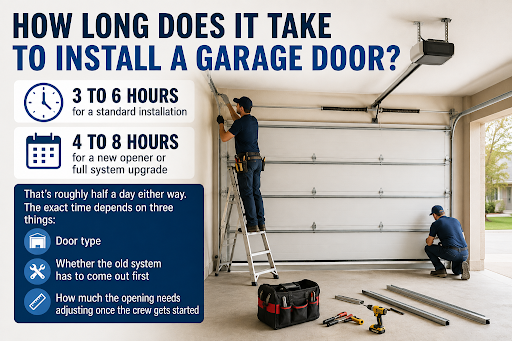
How Long Does It Take to Install a Garage Door?
Commercial Garage Door Cost (By Door Type)
Think of a quiet storage building, a busy delivery hub, and a warehouse loading dock. They all use commercial doors differently, so pricing shifts with how the door will actually be used.
Commercial roll-up door installation cost depends on what the opening needs to handle, how often it is used, and the setup required for the building.
Rolling Service Doors
Rolling service doors are a common choice for commercial spaces. They’re simple, reliable, and don’t take up much overhead room when open. You’ll often see them in warehouses, storage units, and workshops, basically anywhere you need easy, no-fuss access throughout the day.
Insulated Rolling Doors
If temperature control matters in your space, an insulated rolling door might be the way to go. In Minnesota winters, an uninsulated door can let a lot of heat escape every time it opens, which makes insulation worth considering for any building that’s heated or holds temperature-sensitive inventory.
High-Speed Doors
High-speed doors are all about keeping things moving. If forklifts, vehicles, or staff are constantly passing through, the faster open-and-close cycle helps reduce delays and keeps the workflow smooth. It also helps limit how long the opening is exposed to outside air.
Fire-Rated Doors
Fire-rated doors come into play when building codes or safety requirements call for a rated barrier. Not every facility needs them, but when they are required, they’re an important part of the building’s safety system and need to match specific standards.
Commercial Overhead or Sectional Doors
Sectional doors are another popular option for commercial buildings like warehouses, service centers, and workshops. There are a lot of variables here: size, insulation, materials, and how often the door is used. All of which can influence the commercial overhead door prices you’ll come across.
When you take away the sales talk, it really comes down to how the door will handle daily use. Picking the cheapest option can backfire when a low-cost door fails during busy hours. Instead of simply looking for the lowest price, choose a door built to handle your business’s actual day-to-day workload.
How Door Size Affects Commercial Garage Door Cost
A bigger door does not just mean more material. It can change almost everything around the installation. A wider or taller door is usually heavier, so it may need stronger hardware and an operator built to handle that load.
Then there is the space around the opening. If headroom is tight or there isn’t enough room beside the opening, the installer may need to work around those limitations. The condition of the existing framing matters too. If it needs repairs or changes before the new door goes in, that becomes part of the project.
That is why two doors with the same dimensions can still have very different installation costs. The measurements give you a starting point, but they do not tell the whole story.
What About 12×10, 12×12, 12×14, and 14×16 Commercial Doors?
A 12×10, 12×12, 12×14, or 14×16 door doesn’t have one fixed installed price. The door’s construction, insulation, weight, operator, daily use, and existing opening all factor in. A larger opening will usually require more substantial equipment, but the building itself can have just as much influence on the final cost.
Also Read:
Pros and Cons of Roll Up Garage Doors
What Else Can Increase the Installation Cost?
The door is only one part of the job. Before installation starts, the opening itself needs to be ready for the new system. This is where a project that looks simple on paper can become more involved.
Existing Door Removal
There’s more to replacing a commercial door than putting a new one in. The old tracks, hardware, and other components may need to come out first, which can add to the installation work and overall cost.
Framing and Structural Condition
A new door needs a solid structure to attach to. If the existing framing is damaged or not suited to the new system, it may need to be repaired or modified first.
Clearance and Headroom
There needs to be enough space above and beside the opening for the door and its hardware. Tight headroom or limited side room can change how the system is installed.
Electrical Requirements
Installing a powered operator also means checking the electrical setup. If the existing arrangement is not suitable, additional electrical work may be needed.
Site Access
It also helps to look at how the installation area can actually be reached. Tight spaces, limited access, or obstacles around the opening can make the work more involved.
Structural or Building Modifications
This is often the part people don’t think about until the installation begins. If the existing opening needs changes to accommodate the new door, that work becomes part of the project.
The takeaway is simple: don’t judge the installation by the door alone. The opening, the building, and the conditions around it all have a say in what the job will require.
Commercial Garage Door Opener and Automation Cost
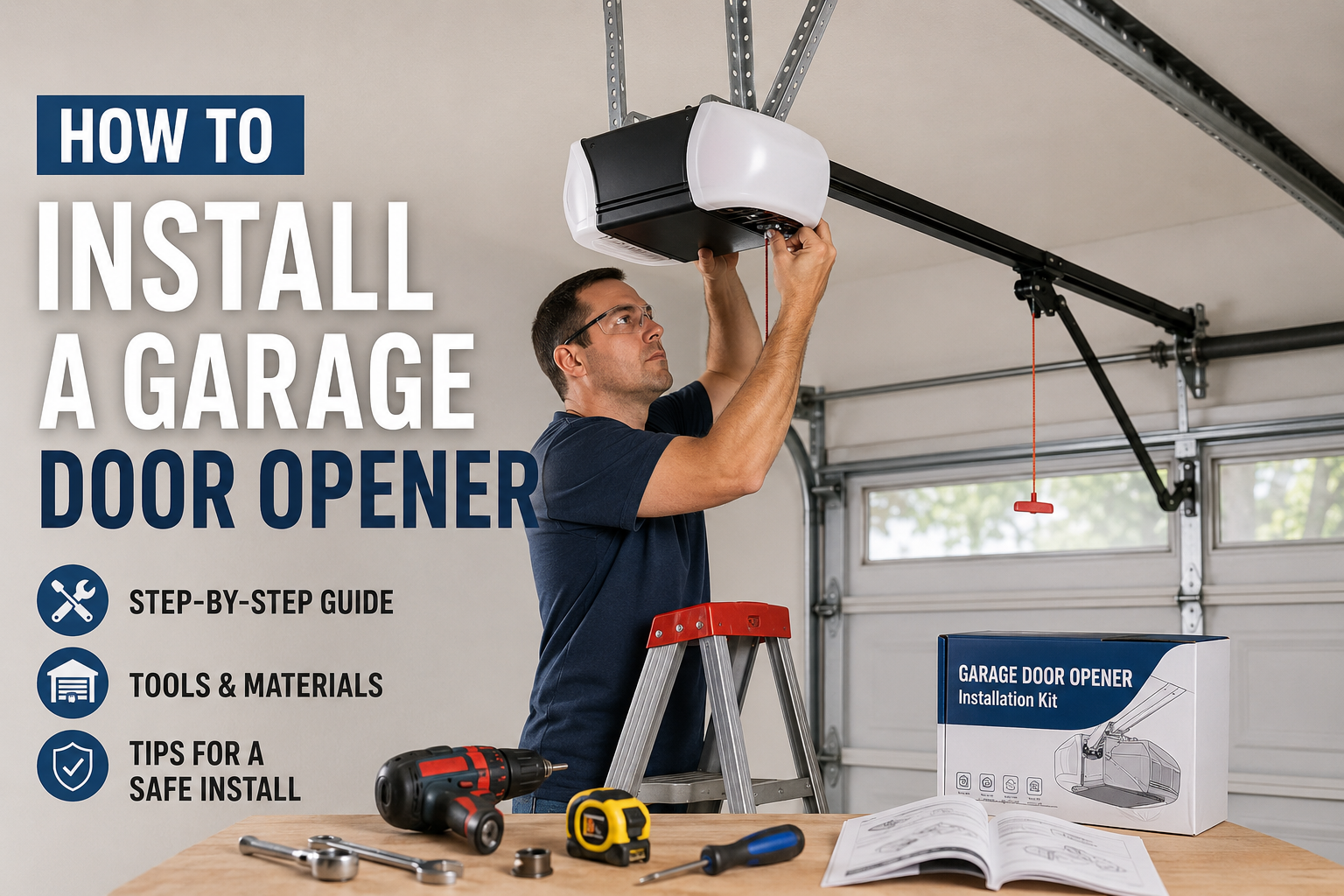
The opener is what gets the door moving every time someone needs in or out; in a busy facility, that can mean dozens of cycles a day. That workload is why the operator has to match the door: a heavy door needs stronger equipment, and a high-traffic opening needs an operator built for repeated use. Opener costs shift with the door’s weight, how often it cycles, and how it needs to be mounted. The cost depends on the door, its weight, how often it operates, and the conditions around the installation.
The same practical approach applies to other loading dock equipment. The equipment needs to fit the way the facility actually works, not just look right on paper.
Commercial vs. Residential Garage Door Cost: Why the Difference Matters
A garage door at your home has a pretty simple job. You open it, pull the car out, close it, and do it again later. A commercial door can have a much busier day. Trucks come through, equipment moves in and out, deliveries arrive, and the door may cycle dozens of times.
That difference in use is what really separates commercial and residential doors.
Commercial doors are built to take more work. They tend to be heavier, stronger, and made for repeated cycles. The operator has to handle that workload too, not just the door itself. A setup that works fine for a home garage may not hold up when a door is opening and closing throughout a workday.
Security is also different at this scale; commercial doors often need stronger locking hardware or access control since they’re guarding inventory or equipment, not just a car. Mounting space and power requirements differ too, since commercial operators are bigger and draw more.
The cost matters, but so does the cost of getting it wrong. If a residential door stops working, it is an inconvenience. If a commercial door fails at a warehouse, shop, farm, or loading area, it can hold up vehicles, deliveries, or materials.
So, commercial garage door cost is not simply about the door being bigger. You are paying for a system built to handle the work it is expected to do, and keep doing it.
Is A Cheap Commercial Garage Door Actually the Lowest-Cost Option?
A rock-bottom quote is tempting, but the real question is what that door costs you later. A cheap door pushed beyond its limits wears out faster. More repairs, more maintenance, and unplanned downtime.
Think about it. A busy warehouse door may open and close all day, while a storage building might only use its door twice a week. Saving a few dollars upfront can backfire if the door and hardware are not built to handle that daily use.
That does not mean you need to buy the most expensive door either. It is about finding the right fit.
The right commercial door is not the one with the highest price or the cheapest quote. It is the one built to handle your building’s traffic, daily use, and working conditions without becoming a constant problem.
How Long Does a Commercial Garage Door Last?
How long a commercial garage door lasts comes down to how hard it’s working, cycle usage, installation quality, maintenance, and building conditions; all play a role. A properly matched system will handle the work better than one chosen only by size or price.
That is why installation cost should be considered alongside expected use. Spending more upfront can make sense when the door, operator, and hardware are suited to the job.
The goal isn’t the priciest system; it’s one that can handle the work it’s actually asked to do.
How to Get an Accurate Commercial Garage Door Installation Cost Estimate
There’s no standard price for a commercial door installation because so much depends on the building itself. The door size matters, but it is only one part of the job.
A reliable estimate looks at the full picture: the door’s weight, materials, insulation, and operator, along with how often the door will open and close each day. Then there’s the building itself. What condition is the frame in? Is there enough headroom? Does the existing setup need extra support? Each of these details can affect the final cost.
That’s why online pricing tools can only give you a rough idea. A calculator can work with basic measurements, but it can’t see the opening or spot what your building actually needs.
The best move is to have the space checked before you commit. North Country Overhead Door can look at your opening, understand your daily traffic, and help you choose a door and installation setup that fits the job.
Frequently Asked Questions
Q1. How much does it cost to replace a commercial garage door?
Replacement cost depends on the door type, size, weight, existing opening, operator, and installation work required; a proper assessment gives you a much better idea than a general estimate.
Q2. What is the cheapest type of commercial garage door?
Rolling service doors are usually the lowest upfront cost, but ‘cheapest’ only makes sense for light, occasional use. A door cycling dozens of times a day needs hardware built for that, or repair costs will erase the initial savings.
Q3. How much does a commercial garage door opener cost?
Commercial operator pricing depends on the door’s size and weight, how often it cycles, and how the unit needs to be mounted.
Q4. Does insulation affect commercial garage door cost?
Yes. Insulated doors generally cost more upfront than non-insulated options. But if the building needs better temperature control, reduced heat transfer, or a more comfortable working space, the added cost may make sense for the application.
Q5. How long does a commercial garage door last?
There is no universal lifespan. How long a door stays reliable depends on how often it is used, its cycle demands, maintenance, installation quality, and the conditions it works in. A properly matched and maintained do or will generally be better suited to handle its expected workload.